
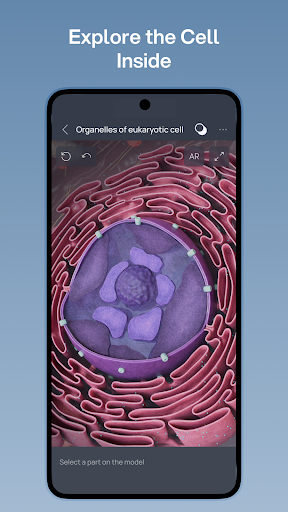
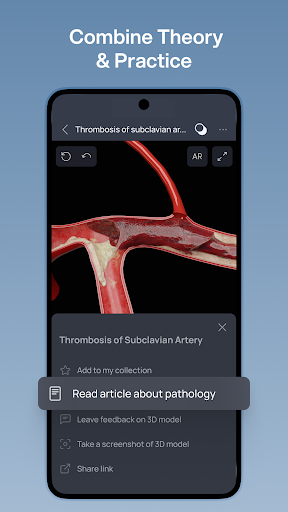
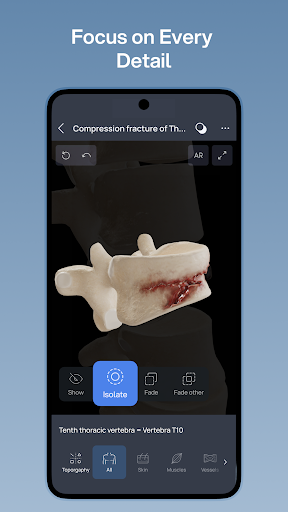
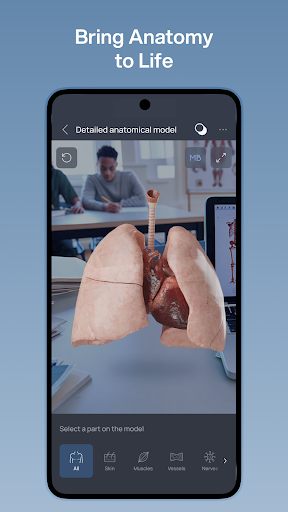
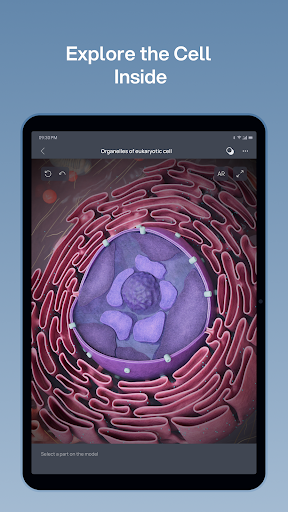
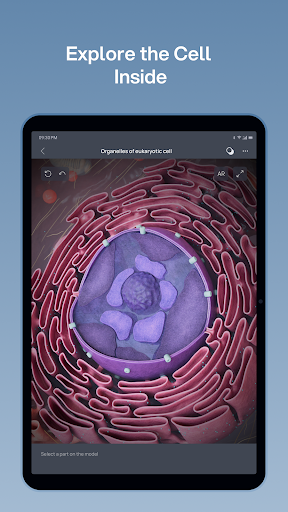
VOKA 3D Anatomy and Physiology is an app designed as a 3D human body atlas, offering tools for learning anatomy, physiology, and pathology. Users can explore over 1,000 medically accurate 3D models of bones, muscles, organs, and body systems, alongside a library of pathology cases. The app allows for detailed visual examination of the human body, serving as an interactive resource for medical students, educators, and healthcare professionals to understand complex medical topics.
Exploring the Human Body in 3D
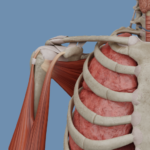
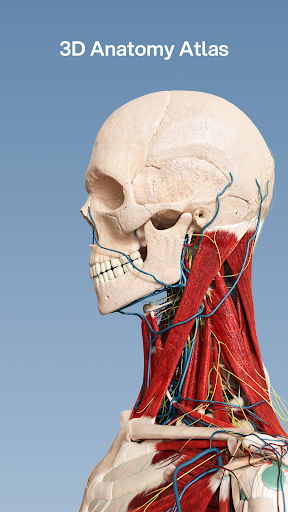
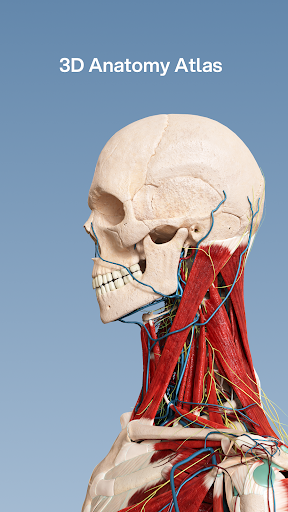
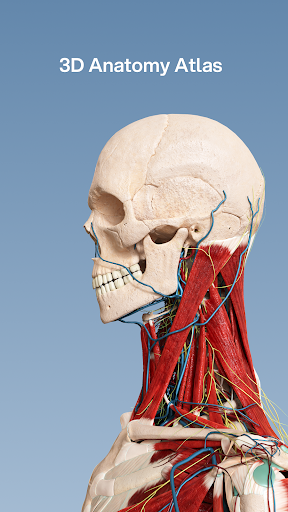
The app provides a comprehensive 3D atlas covering systemic and regional structures for both male and female bodies. This includes detailed 3D anatomy of the skeleton, from the skull to the extremities, and the muscles of the musculoskeletal system, each with documented origin, insertion, and course. Users can also examine the brain, heart, lungs, and other organ systems, as well as microanatomy, embryology, and 3D dental models. Each 3D model can be rotated, zoomed, and explored layer by layer.
Comparative Anatomy and Pathology
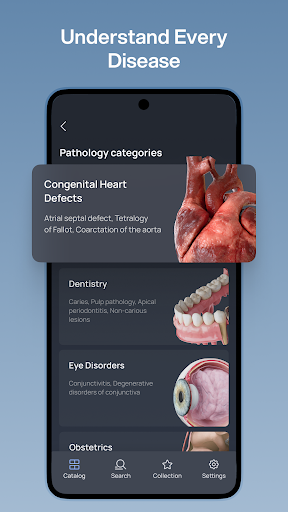
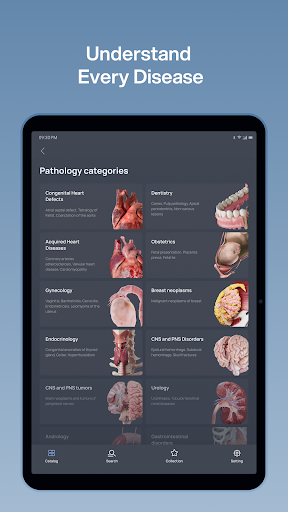
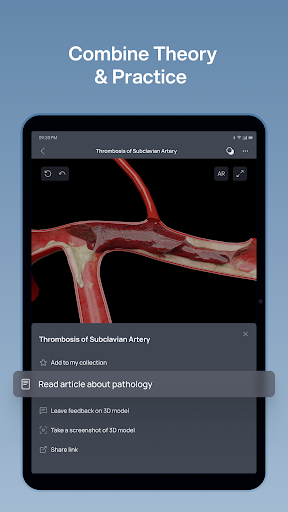
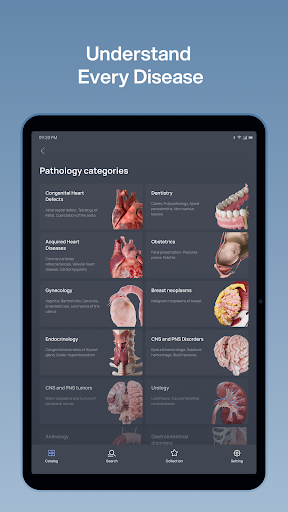
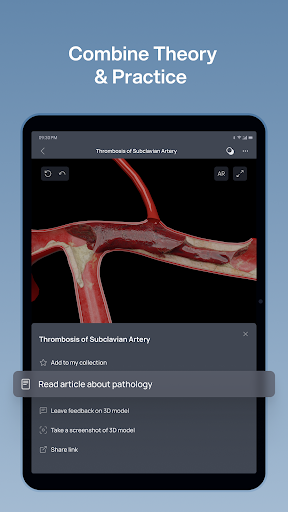
Beyond standard anatomy, VOKA includes a pathology atlas that illustrates how diseases affect organs and tissues. This feature allows users to compare healthy and pathological structures directly, such as congenital heart defects versus healthy hearts, or acquired conditions. This side-by-side comparison helps to connect human physiology with pathophysiology and clinical findings.
Interactive Learning Tools
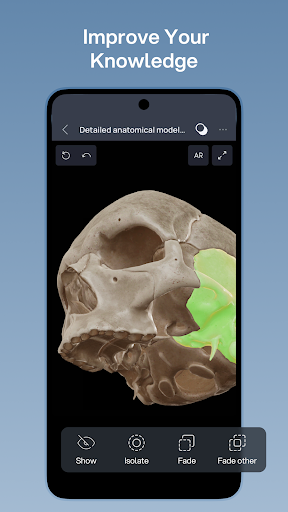
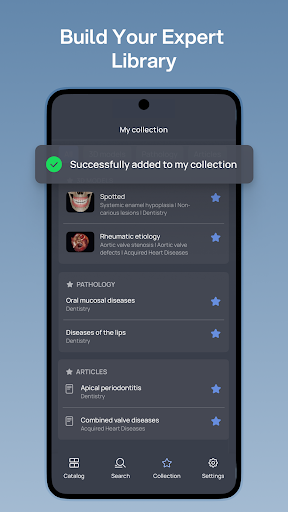
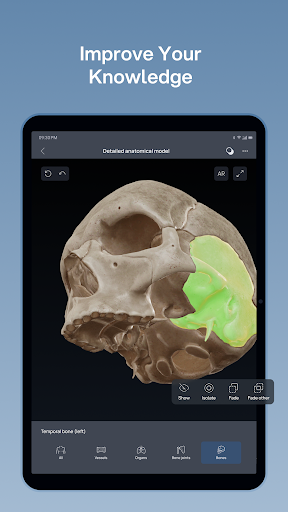
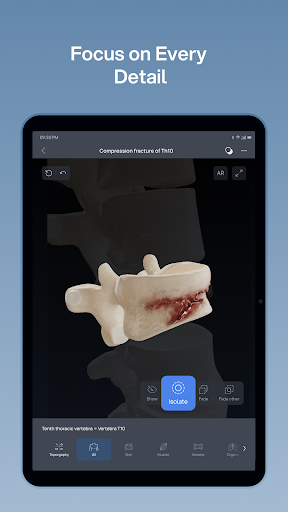
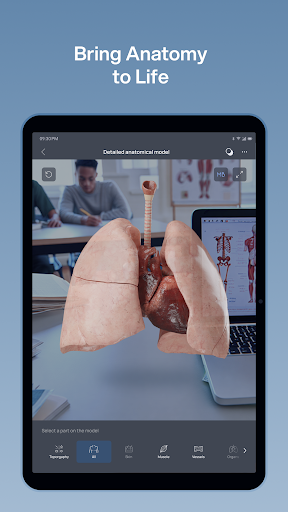
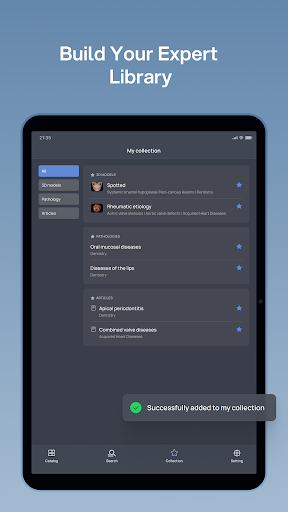
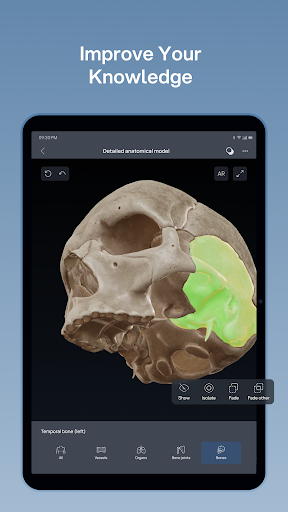
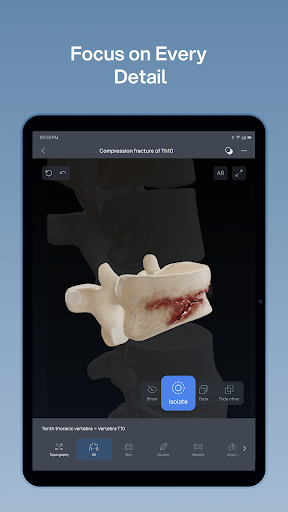
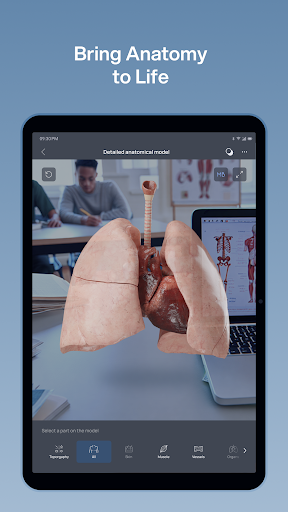
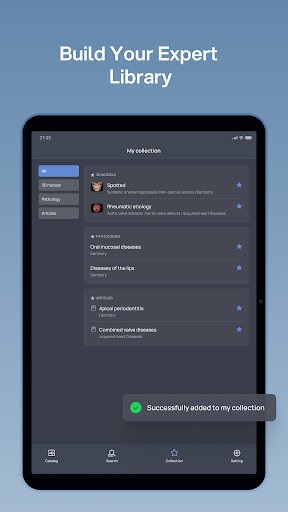
The app incorporates several tools to aid in learning and exploration. An Isolation mode allows users to focus on a single structure without surrounding elements, while X-ray mode provides a view through surrounding tissues. An AR mode enables users to place 3D models within their physical environment, offering a unique perspective. Interactive labels provide Latin medical terminology alongside explanations in the user’s chosen language. The app also features articles written by practicing doctors, which include short clinical notes, and a smart search function to quickly locate specific structures or terms. Users can save models and personal notes into custom collections for future reference.
Medically Accurate Content
All 3D models within the app adhere to FIPAT medical terminology, ensuring accuracy and reliability for educational and professional use. The app’s content is structured to support students preparing for anatomy and physiology exams, nursing, dental, and biology students, as well as teachers explaining complex structures, and doctors explaining diagnoses to patients.
Recent Enhancements
The latest update to the app introduced full support for the Arabic language, alongside general bug fixes and stability improvements.


Write a review